
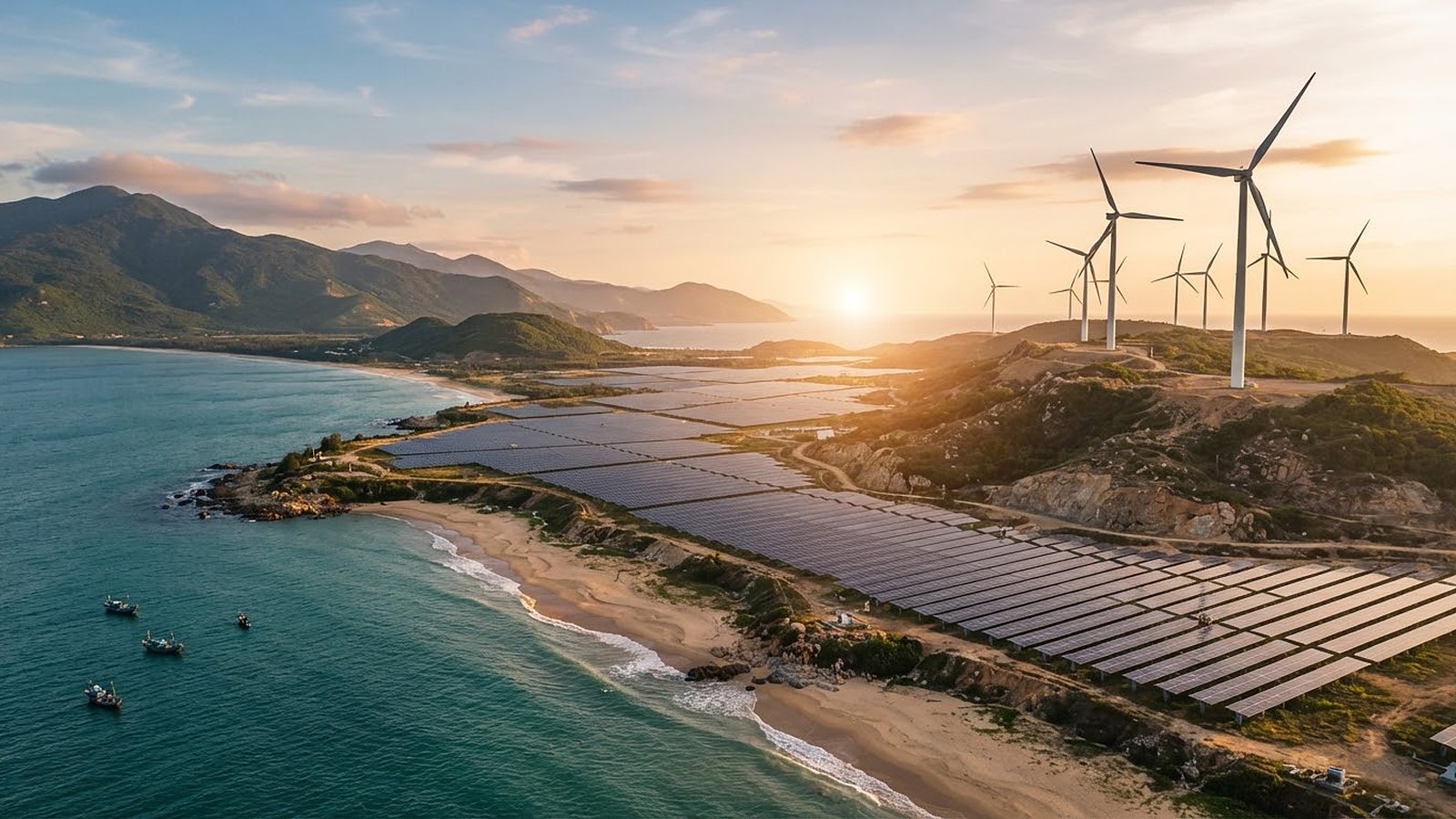
Energy security is the physical foundation of modern industrialization: no semiconductor fabrication plant, hyperscale AI data center, or advanced manufacturing complex can operate without uninterrupted 24/7 baseload power and grid-grade voltage stability. In Vietnam, a power-demand-to-GDP elasticity coefficient of 1.25x–1.35x implies that sustaining 7.0% annual real GDP growth across 2026–2030 requires national commercial electricity output to compound at 8.8% to 9.8% p.a. Amid the capital-intensive transition charted under Power Development Plan VIII (PDP8), incumbent power generators with largely depreciated fixed assets stand out as defensive Free Cash Flow (FCF) bastions.
- Commercial power demand outpaces greenfield capacity additions: National peak load expands by 4,500–5,500 MW annually on the back of northern and southern industrial expansion, sustaining elevated dispatch utilization across incumbent baseload plants.
- Regulatory breakthroughs for LNG-to-Power and DPPA: Annual generation tariff ceilings for imported-LNG combined-cycle gas turbines, fuel-cost pass-through provisions, and the Direct Power Purchase Agreement (DPPA) decree unlock PPA bankability for flagship plants led by Nhon Trach 3 & 4.
- Depreciated Hydropower & Thermal Plants — Cash-Dividend Engines: Legacy hydro and thermal generators that have extinguished initial project construction debt operate at ultra-low unit production costs (VND 450–1,150/kWh), generating 55%–75% EBITDA margins and 5.5%–8.2% p.a. cash dividend yields.
- Strategic Role inside the Three-Tier Wealth Pyramid: Equities and bonds of diversified power, clean-water, and mechanical-engineering infrastructure groups (such as REE) provide inflation-hedged defensive cash flows with low market beta (~0.65–0.78).
1. National Grid Supply–Demand Tightness and Competitive Generation Market (VCGM) Dispatch
Underwriting the earnings power of a listed Vietnamese electricity generator begins with the operating mechanics of the Vietnam Competitive Generation Market (VCGM) and the structure of long-term Power Purchase Agreements (PPAs) executed with single-buyer EVN/EPTC. Revenue at a conventional power plant comprises two distinct tranches: contracted volume Qc (typically set at 80%–90% of annual planned output, remunerated at agreed fixed-plus-variable capacity and energy tariffs engineered to recover CapEx, service debt, and deliver regulated project IRR) and merchant output dispatched above Qc, settled at spot full market prices (FMP = SMP + CAN).
Across 2026–2028, multi-year commissioning delays among legacy Revised PDP7 baseload projects alongside surging industrial load across northern and southern manufacturing hubs keep effective reserve margins tight during peak dry-season months (April through July). This tight supply-demand equilibrium confers dual tailwinds upon reliable operating generators: consistently high dispatch factors and attractive spot FMP clearing prices on merchant output above Qc.
Simultaneously, energizing the landmark 500kV Circuit 3 ultra-high-voltage transmission backbone from Quang Trach to Pho Noi alongside new 500kV/220kV substations has materially expanded inter-regional Central-to-North transfer capacity, alleviating localized grid curtailment that previously constrained renewable energy clusters.
1.1. Neutral-to-La Niña Hydrological Cycles and Hydropower Margin Expansion
Within the merit-order dispatch stack administered by the National Electricity System and Market Operator (NSMO), hydropower commands top dispatch priority whenever reservoir levels permit, owing to near-zero marginal fuel cost. As ENSO conditions transition from El Niño into Neutral and mild La Niña phases, replenished reservoir inflows across the Central Highlands and Northwest lift hydropower generation volumes by 15%–22%, propelling net profit margins above 40%–50%.
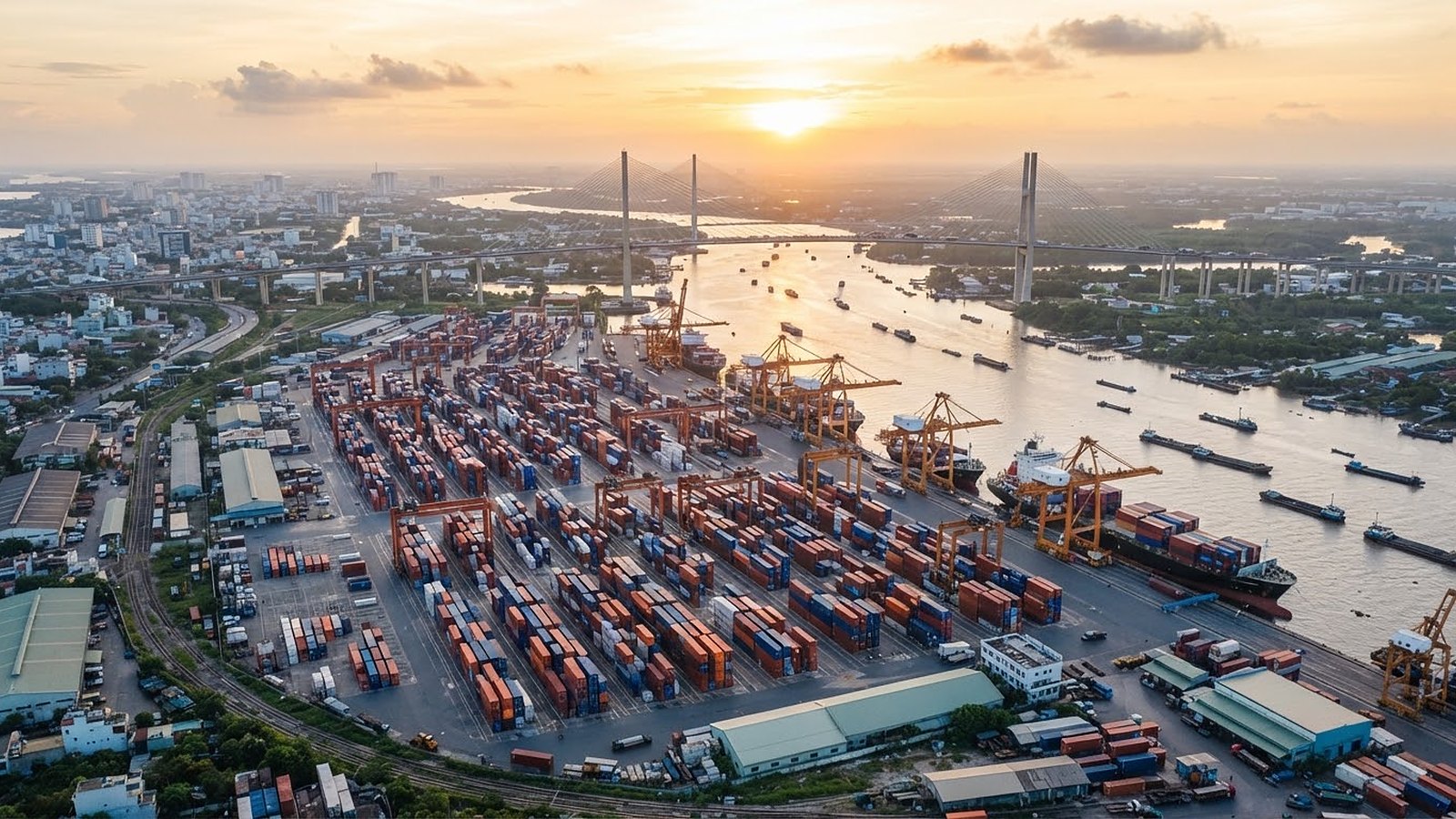
2. LNG-to-Power Execution, Updated Generation Tariffs, and the Direct PPA (DPPA) Decree
Under Power Development Plan VIII through 2030 with a vision to 2050 (aligned with Vietnam’s Net Zero emissions commitment), no new greenfield coal-fired plants will be licensed beyond grandfathered projects under construction. Instead, flexible baseload expansion centers on a fleet of Liquefied Natural Gas combined-cycle plants (LNG-to-Power) targeting over 22,400 MW of capacity, complemented by onshore/offshore wind and utility-scale solar paired with battery storage.
Historically, international export credit agencies and development finance institutions (ECAs/DFIs) withheld non-recourse project debt from billion-dollar LNG plants pending clarity on two bankability clauses in EVN PPAs: (1) Full pass-through of international imported LNG fuel-price fluctuations into generation tariffs; and (2) Binding minimum annual contracted off-take (Minimum Qc of at least 65%–75%) across the debt-amortization tenor. Enactment of the amended Electricity Law, annual Ministry of Industry and Trade LNG generation tariff ceilings, and commercial commissioning of Vietnam’s inaugural LNG power complex — PV Power’s 1,624 MW Nhon Trach 3 & Nhon Trach 4 — have established the legal and commercial template unlocking subsequent LNG baseload projects.
Concurrently, the Government Decree authorizing Direct Power Purchase Agreements (DPPA) between renewable generators (≥ 10 MW capacity via dedicated private lines or wheeled across the national grid) and Large Electricity Consumers (green FDI manufacturers consuming ≥ 200,000 kWh/month) opens a structural commercial avenue. Technically proven renewable operators such as REE can now contract long-term green power tariffs directly with multinational manufacturers willing to pay International Renewable Energy Certificate (I-REC) premiums, reducing reliance on transitional regulated tariffs.
2.1. EVN Receivables Quality Under Quarterly Retail Tariff Adjustment Mechanics
Institutionalizing periodic retail electricity tariff reviews at minimum 3-month intervals whenever generation input costs shift by 2% or more has structurally strengthened Vietnam Electricity’s (EVN) operating cash balance, shortening payment days outstanding to listed independent power producers and improving sector-wide receivables quality.
| Generation / Grid Segment | System Capacity Share | Reference Tariff / Pricing Mechanism | Typical EBITDA Margin | Primary Operating Risk | Investment Cash-Flow Profile |
|---|---|---|---|---|---|
| Medium & Large Hydropower (Mostly Depreciated) | ~28% | VND 950 – 1,350/kWh (incl. VCGM) | 65% – 78% | El Niño / La Niña hydrology swings | Ultra-high FCF, 6%–8.5% cash dividend yield |
| Domestic Gas & Greenfield LNG Thermal | ~14% (Fast-Growing) | LNG Cap ~VND 2,590/kWh (fuel pass-through) | 22% – 32% | Depleting domestic gas, global LNG prices | Large revenue scale, requires high firm Qc |
| Incumbent Baseload Coal-Fired Thermal | ~32% | VND 1,550 – 1,880/kWh (coal pass-through) | 18% – 26% | Blended imported coal cost & ESG mandates | Strong depreciation cashflow post debt payoff |
| Onshore / Nearshore Wind & Solar | ~24% | Transitional ceiling / Direct DPPA contracts | 72% – 82% | Early-year project debt cost & grid load | 20-year annuity cashflow, major DPPA upside |
| 500kV Grid Transmission & Electrical EPC | National Grid | PDP8 public-investment EPC tenders | 9% – 14% | Right-of-way land clearance timelines | Record multi-year EPC backlog (2026–2030) |
| Integrated Power – Water – M&E Conglomerate | Multi-Asset (e.g., REE) | Balanced Hydro + Wind + Rooftop Solar | 45% – 54% | Highly effective weather diversification | Resilient compounding, top domestic credit rating |
3. Portfolio Allocation Strategy for Energy Infrastructure Equities and Corporate Bonds
Within GoldenKey Invest’s multi-asset wealth architecture, regulated Power and Utility Infrastructure is not an arena for speculative multi-bagger momentum, but an institutional cornerstone for ‘Dividend Growth & Real-Asset Preservation.’ A diversified utility platform balancing low-cost hydropower, industrial-rooftop solar and wind, urban clean-water concessions, and Grade-B+ commercial office leasing — exemplified by Refrigeration Electrical Engineering Corp (HOSE: REE) — delivers rare cash-flow durability across business cycles.
When underwriting power-sector equities or Corporate Bonds, analysts must verify four technical-financial parameters: first, exact turbine depreciation roll-off and senior project-debt payoff dates across subsidiary plants (the inflection where Free Cash Flow (FCF) surges to double accounting net income); second, debt currency denomination (favoring VND borrowers or issuers that have retired legacy USD/EUR/JPY loans to eliminate unrealized FX translation volatility); third, EPC contractor pedigree and CapEx per installed MW (avoiding cost overruns that compress project IRR below WACC); and fourth, cash dividend yield relative to 12-month bank deposit rates.
3.1. Green Energy and Infrastructure Bond Benchmarks on HNX CBIS
Across Vietnam’s corporate debt market, bonds issued by utility platforms backed by contracted PPA cash flows (such as REE202501) maintaining Interest Coverage Ratios (ICR) > 4.0x consistently rank among Grade A+/AA- fixed-income instruments anchored in buy-and-hold portfolios of domestic life insurers and institutional treasuries.
Three-Scenario Quantitative Matrix & Thesis Invalidation Triggers
Hydropower reservoir inflows track multi-year averages while inaugural LNG units operate smoothly under firm Qc commitments; listed power utilities distribute steady cash dividends alongside 12%–15% earnings growth.
Industrial parks and high-tech manufacturers execute multi-year green DPPA contracts at attractive tariffs, enabling leading renewable developers to unlock hundreds of MW in new capacity at project IRRs > 13%.
Lower dry-season reservoir levels trim standalone hydropower volumes while elevated system fuel procurement costs temporarily stretch sector receivables settlement by 1–2 quarters.
Early-Warning Thresholds & Thesis Invalidation Triggers:
- National commercial electricity consumption growth slows below 5.5% p.a. amid a severe industrial manufacturing contraction.
- Average contracted Qc volume allocated to commercial generators is abruptly cut below 65%, heightening merchant revenue volatility.
- Overdue power-sale receivables (> 6 months past due) at generation companies swell beyond 35% of annual revenue.
- REE202501 Energy Infrastructure Bond Credit Dossier — Credit underwriting of REE Corporation’s diversified power and clean-water cash-flow backing.
- GEX202602 Electrical Equipment & Industrial Infrastructure Bond Dossier — Debt structure and cash-flow evaluation across electrical equipment and industrial-park utilities.
- Corporate Bonds & Infrastructure Project Credit Hub — Institutional due-diligence standards for power and clean-energy project cash flows.
This institutional research monograph is independently prepared by the Research & Asset Allocation Desk at GoldenKey Invest to provide quantitative analytical frameworks and primary-source due diligence methodologies for private clients and family offices.
GoldenKey operates strictly under the Three-Pillar Fiduciary Mandate (No Client Fund Custody — No Discretionary Order Execution — No Guaranteed Return Promises) alongside conflict-free research governance: (1) No undisclosed brokerage commissions, issuer placement rebates, or client fund custody; (2) No proprietary trading counter-positions or discretionary order execution conflicting with client portfolios; and (3) No short-term speculative trading solicitations or guaranteed return promises. Every capital allocation decision must be calibrated against each investor's distinct risk tolerance, liquidity horizon, and drawdown capacity.